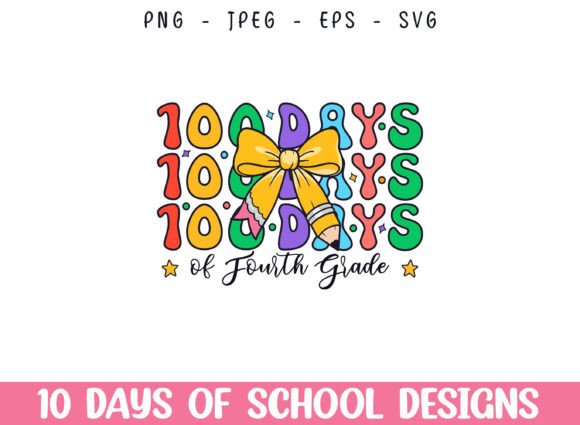
Understanding 100 Days of Fourth Grade Kindergarten: A Comprehensive Guide to Design and Application
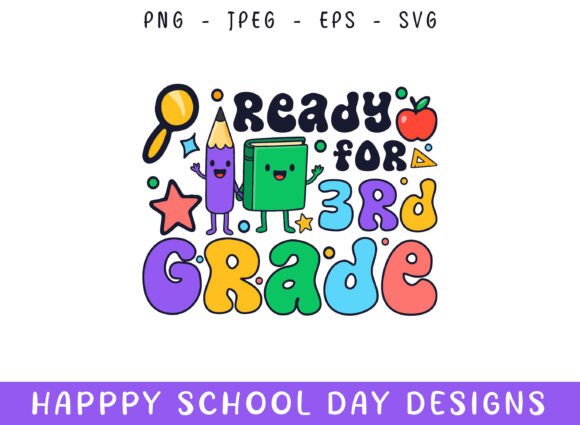
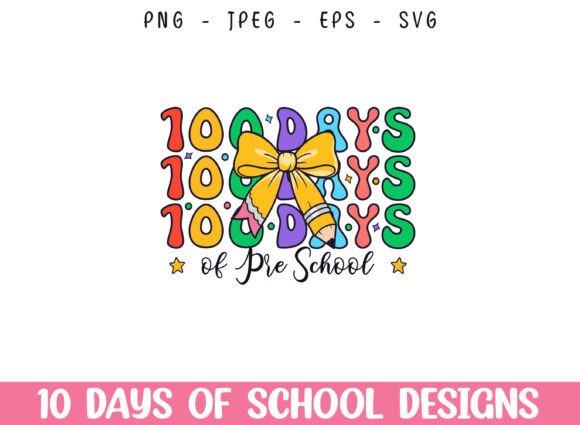
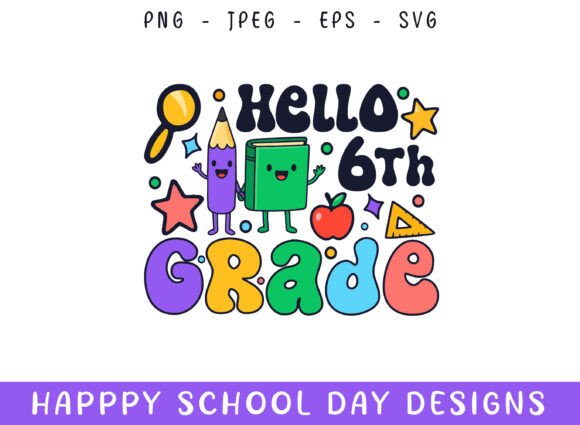
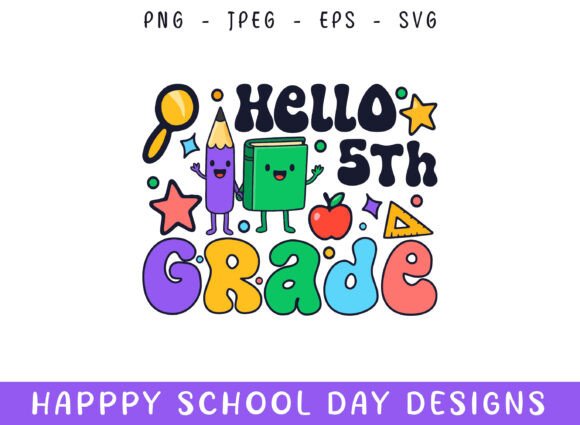
The milestone of completing one hundred days of schooling is a significant event in early education, yet the specific phrasing 100 Days of Fourth Grade Kindergarten often raises questions for parents, teachers, and designers alike. While the traditional narrative focuses on kindergarten students counting down to the centennial day, this specific design concept merges distinct educational phases into a single visual identity. It represents a unique intersection where the joy of preschool entry meets the structured learning of fourth-grade milestones, creating a versatile asset for those looking to celebrate academic progress in non-traditional ways.
When evaluating digital assets like SVG designs, it is essential to look beyond the surface text. The 100 Days of Fourth Grade Kindergarten series offers more than just a static image; it provides a scalable vector solution that adapts to various mediums. Whether you are preparing merchandise for a school fundraiser or creating personalized gifts for a classroom celebration, understanding the technical and practical specifications of these files is crucial for making an informed decision.
Distinguishing Features of the Design Collection
What sets this particular collection apart from standard clip art or generic school-themed graphics is its structural integrity and flexibility. The design is constructed using exactly 100 individual vector shapes. This deliberate construction serves a dual purpose: it aligns thematically with the "100 Days" concept while providing granular control over the final output. In the world of graphic design, having a file composed of discrete elements allows for precise editing that raster images simply cannot offer.
The versatility of these files is highlighted by their color-changing capabilities. For educators and crafters working with different apparel, the ability to instantly switch between light and dark modes is invaluable. A design intended for a white T-shirt might require bold, high-contrast colors to stand out, whereas the same design on a dark t-shirt needs a complementary palette to ensure visibility without losing detail. The included source files, available in AI and EPS formats, facilitate this process effortlessly.
- Scalability: Because the design relies on vector mathematics rather than pixels, it can be resized from a small sticker to a large banner without any loss of quality or sharpness.
- Format Variety: Users receive EPS 10, SVG, and PNG transparent files at 300dpi. This ensures compatibility with professional printing software as well as consumer-grade cutting machines.
- Multi-Medium Ready: The resolution and format make the design suitable for mugs, tumblers, stickers, and screen printing, eliminating the need to purchase separate versions for each product type.
Comparing Vector Assets to Alternative Options
When researching resources for school projects or merchandise, consumers often encounter a wide array of options, ranging from pre-printed stickers to low-resolution JPEGs. Comparing the 100 Days of Fourth Grade Kindergarten vector set against these alternatives reveals distinct tradeoffs regarding cost, effort, and final quality.
Pre-printed items offer immediate gratification but lack customization. If a teacher wants a shirt that says "100 Days" but also includes a specific class name or a unique date, pre-made items fall short. Conversely, downloading a low-quality image requires purchasing expensive licensing fees to upscale it or hiring a designer to recreate it from scratch. The vector approach bridges this gap by offering a middle ground: high-quality, editable files that empower the user to create custom products without needing advanced graphic design skills.
Another common alternative is the use of standard clip art found in free libraries. While cost-effective, these often suffer from inconsistent line weights, limited color palettes, and locked layers that prevent modification. The 100 Days of Fourth Grade Kindergarten designs differentiate themselves through their organized layer structure. With 100 separate shapes, users can isolate specific elements—such as the number "100" or a decorative border—and change their attributes independently. This level of control is rarely found in free, generic assets.
Evaluating Strengths and Practical Tradeoffs
Every tool has strengths and limitations depending on the user's workflow. The primary strength of this design collection lies in its adaptability. For a parent organizing a classroom party, the ability to print the design on paper for invitations, transfer it onto fabric for shirts, and etch it onto metal tumblers using the same file saves time and ensures brand consistency across all materials.
However, there are tradeoffs to consider. Working with vector files requires a certain level of technical proficiency. While the files are "ready to print," utilizing the full potential of the AI or EPS source files typically necessitates software like Adobe Illustrator, CorelDRAW, or compatible cutting machine software (such as Cricut Design Space or Silhouette Studio). Users who rely solely on basic image viewers may find the depth of customization overwhelming compared to simply buying a finished product.
Additionally, the complexity of having 100 individual shapes can impact processing speed if the computer hardware is outdated. When manipulating such a detailed file, performance may vary. Yet, for most modern devices, this is a minor inconvenience weighed against the superior quality of the output. The tradeoff essentially shifts from paying a premium for a finished product to investing a small amount of time to master the file structure for long-term savings.
Identifying the Best-Fit Situations
Determining whether this resource is the right choice depends heavily on the intended application. The 100 Days of Fourth Grade Kindergarten designs are ideal for scenarios requiring bulk production or high customization.
Consider a scenario where a school district needs 50 commemorative shirts for a specific grade level. Using a vector file allows the design team to generate variations quickly—perhaps changing the background color for different classes or adding individual student names to the design. In contrast, ordering 50 physical items from a vendor would result in higher costs and less personalization. Similarly, for DIY enthusiasts selling handmade goods on platforms like Etsy, the ability to create unique, high-resolution prints on demand is a critical competitive advantage.
Conversely, if the goal is a quick, one-off decoration for a child's backpack with no intention of further modification, a simple sticker or a printed sheet might suffice. In cases where the user lacks access to necessary software or equipment, the investment in learning the file system may not yield sufficient return. However, for those engaged in ongoing projects, the versatility of the source files makes them a superior long-term investment.
Navigating Decision Factors for Educators and Creators
When making a final decision, several factors should guide the evaluation process. First, assess the required output medium. If the plan involves sublimation printing on tumblers or screen printing on heavy cotton, the 300dpi PNG and vector formats provided are essential to avoid pixelation. Second, consider the color requirements. The "changeable color" feature is particularly beneficial for schools with strict branding guidelines that require specific Pantone matches or for seasonal themes that demand quick aesthetic shifts.
Furthermore, the longevity of the asset matters. Unlike a purchased item that depreciates once the event passes, a digital file remains usable indefinitely. The 100 Days of Fourth Grade Kindergarten collection can be archived and used for future years, perhaps with slight modifications to the year or grade level. This reusability adds significant value compared to disposable decorations.
In conclusion, the choice between a pre-made product and a customizable vector design comes down to the balance between convenience and control. For adults aged 20 to 50 who are actively researching tools to support educational celebrations, the 100 Days of Fourth Grade Kindergarten offerings provide a robust foundation. They cater to those who value precision, quality, and the ability to tailor their creations to specific needs. By understanding the capabilities of vector shapes and the flexibility of the included formats, users can make confident decisions that enhance their school events and personal projects.
Whether you are designing a mug for a favorite teacher or creating a matching set of shirts for a classroom, the combination of thematic relevance and technical excellence makes this design a standout option. It transforms a simple milestone into a tangible, high-quality memory, ensuring that the celebration of 100 days is as memorable as the learning that took place during that time.