Back-to-Class Style Starts with a Custom
The first day of school is more than just an academic milestone; it is a cultural event where identity, community, and creativity collide. For educators, club leaders, and small business owners, Back-to-Class Style Starts with a Custom approach to apparel design because mass-produced uniforms often fail to capture the unique spirit of a specific classroom or organization. When you move away from generic templates and embrace personalized graphics, you transform simple fabric into a powerful tool for engagement and brand recognition.
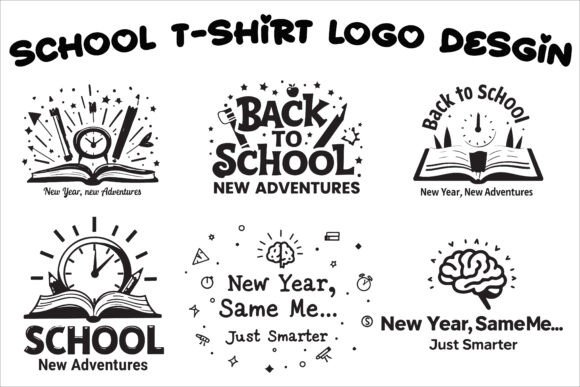
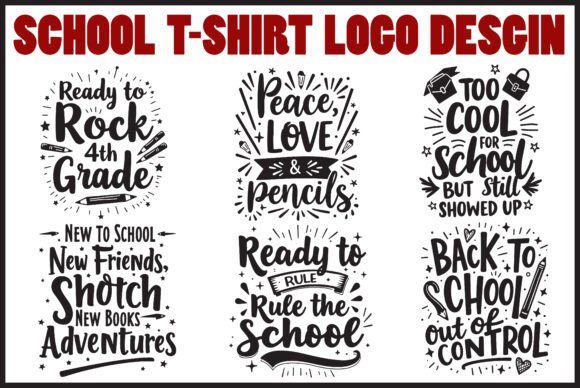
This shift begins with the right assets. Whether you are a teacher organizing a field trip, a freelancer creating merchandise for a local youth group, or a marketing agency launching a student-focused campaign, having high-quality files is non-negotiable. The transition from a basic idea to a finished product relies heavily on versatility. That is why a complete package—featuring 6 PNG files, 6 JPG files, 6 SVG files, and 6 EPS files—becomes the backbone of a successful project. These formats ensure that your design looks crisp on a digital flyer, prints clearly on cotton, and scales perfectly from a small badge to a large banner.
Why File Variety Matters in Real-World Scenarios
Many people underestimate the importance of having multiple file types until they are stuck trying to print a shirt that looks pixelated or resizing a logo that won't fit a website header. The inclusion of both raster (PNG, JPG) and vector (SVG, EPS) formats solves these problems immediately. Raster files like PNGs and JPGs are perfect for quick visualizations and social media posts where transparency is key. They allow you to drop a cool school t-shirt logo directly onto a background image without worrying about white boxes surrounding the text.
However, when it comes time to actually produce the physical merchandise, vector files become essential. The 6 SVG and 6 EPS files included in this collection allow for infinite scaling. You can take a "school team logo" designed for a t-shirt and expand it to cover an entire bus wrap or shrink it down for a button pin without losing any detail. This flexibility is crucial for anyone looking to create custom school apparel that maintains professional standards across different mediums. It saves money on re-designing and ensures consistency in your back to school branding.
Tailoring Designs for Different Audiences
The beauty of custom designs lies in their ability to speak to specific groups. A design meant for elementary students will look very different from one intended for high schoolers or teachers. By utilizing the variety of styles available in a comprehensive set, you can curate a look that resonates with your target audience.
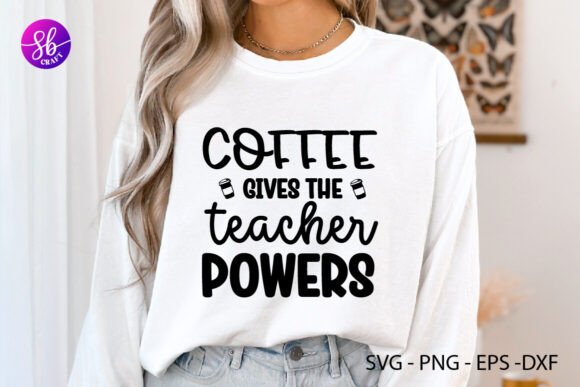
- For Educators: Teachers often use teacher t-shirt logos to build rapport with students. A playful, colorful design featuring classroom shirt logo elements can make the learning environment feel more welcoming and less rigid. It signals that the teacher is part of the fun, not just an authority figure.
- For Student Clubs: School clubs need to stand out at recruitment fairs. A school club shirt with a dynamic creative logo design helps members feel a sense of belonging. When students wear school spirit wear that reflects their specific interests, it fosters a stronger community within the larger campus culture.
- For Event Organizers: Whether it is a charity run, a science fair, or a parent-teacher conference, school event shirts serve as memorabilia. Using back to school graphics that are trendy and stylish ensures that attendees want to keep the shirt long after the event is over, extending the reach of your message.
Practical Applications Beyond the Classroom
While the primary context is educational, the utility of these designs extends far beyond the school gates. Small business owners and freelancers often find themselves needing to create custom tee for students for competitions, hackathons, or summer camps. In these scenarios, speed and quality are paramount. Having pre-made, high-resolution assets means you can pivot quickly from concept to production.
Consider a scenario where a local bookstore is hosting a reading challenge. They need to promote the event online and provide participants with a reward shirt. With 6 PNG files, they can instantly create eye-catching Instagram stories and Facebook ads. Once registrations hit a certain number, they use the EPS files to send the artwork to a printer for bulk manufacturing. This seamless workflow prevents the common bottleneck of waiting for a designer to create new files for every single step of the process.
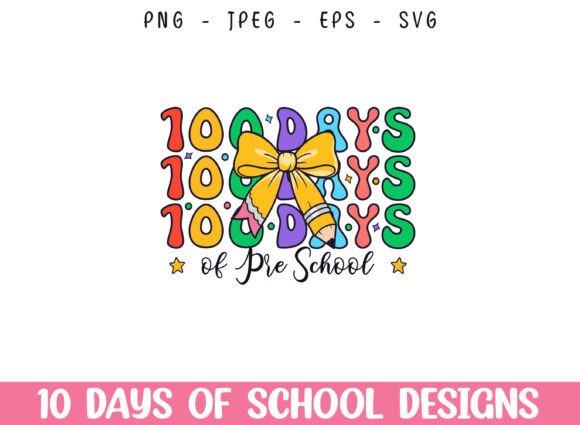
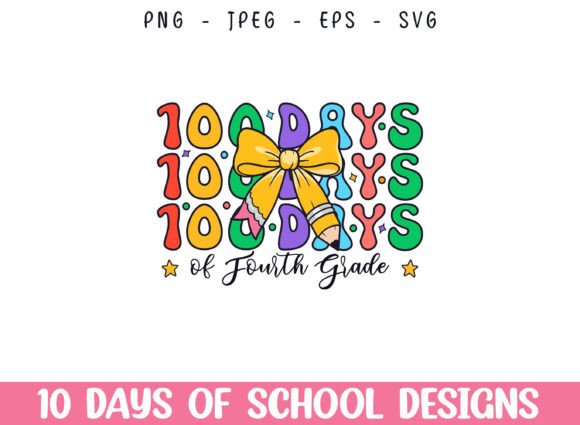
Furthermore, these assets support the growing trend of school fashion. Students today are increasingly conscious of their appearance and view their clothing as an extension of their personality. Trendy school shirts that incorporate modern typography and unique layouts appeal to this demographic. Instead of forcing students into dull, standard-issue polos, schools and organizations can offer stylish school wear that students actually want to wear. This increases participation rates in school activities and boosts overall morale.
What to Consider Before You Design
Before diving into the creation process, it is vital to understand the limitations and possibilities of your chosen tools. While having 6 PNG and 6 JPG files offers great convenience for digital use, remember that low-resolution images cannot be enlarged significantly for large-format printing. Always check the DPI (dots per inch) of your raster files before committing to a large print run.
Conversely, while vector files (SVG/EPS) are scalable, they require software capable of handling paths, such as Adobe Illustrator or Inkscape. If you are working with a local print shop that does not have access to these programs, you may need to convert your vectors to high-resolution bitmaps before sending them over. Communication with your vendor is key to ensuring your unique t-shirt logo translates correctly from screen to fabric.
Another critical factor is color accuracy. Digital screens display colors using light (RGB), while printers use ink (CMYK). A vibrant blue on your monitor might appear slightly muted on a shirt. To mitigate this, always request a proof from your printer before approving a full batch. This step is especially important for personalized school shirts where specific brand colors must be maintained to uphold professional standards.
Building a Legacy Through Visual Identity
Ultimately, the goal of investing in custom school apparel is to build a lasting legacy. When students graduate, they often keep the shirts they wore during their formative years as mementos. A well-designed high school logo or a first day of school shirt becomes a tangible memory of a specific time in their lives. By focusing on quality and creativity, you are not just selling a product; you are creating a piece of history.
Whether you are designing for a small kindergarten class or a massive university department, the principles remain the same. Start with a clear vision, utilize the right technical assets, and focus on the human element of your design. Back-to-class style is not just about what students wear; it is about how they feel when they wear it. When they see a cool school shirt that represents their values and their team, they walk taller and engage more deeply with their education.
In a world saturated with generic options, standing out requires intentionality. By leveraging a robust set of design files and understanding the diverse needs of your audience, you can create campus wear design that truly makes a difference. From the initial sketch to the final stitch, every decision contributes to a cohesive narrative that celebrates learning, community, and individuality. So, whether you are a blogger sharing tips, a teacher planning a fundraiser, or a designer crafting a new line, remember that the journey of back to class fashion begins with a single, thoughtful choice.